Doug Chapin for Congress
July 23, 2026 · Newsletter
Cut Through The Noise. Vote on What Matters

Between now and Election Day, a staggering amount of money will be spent trying to capture your attention.
It will arrive in your mailbox.
It will interrupt the shows you watch.
It will follow you across social media.
It will appear in text messages, emails, online videos, dramatic headlines, carefully edited clips, and attack ads narrated by people with voices that make everything sound like the end of civilization.
And it has already begun.
Through March 31, congressional candidates had collected more than $2.1 billion, party committees had received more than $1.1 billion, and political action committees had raised approximately $6.3 billion during the 2025–2026 election cycle. Not all of that money will be spent on this election, or in Minnesota, but the scale of the machinery preparing to influence voters is already enormous. (FEC.gov)
Modern campaigns are not only competing for your vote.
They are competing for your attention.
They want to influence what you think about, what you fear, what makes you angry, and which issues are still on your mind when you walk into the voting booth.
The answer is not to tune everything out.
Our campaign wants the opposite.
We want voters to remain informed, engaged, curious, and willing to ask questions. But staying informed does not mean allowing every advertisement, accusation, or manufactured controversy to determine your priorities.
It means learning how to separate the signal from the noise.
Start by Following the Money
Every political advertisement exists because someone decided it was worth paying for.
Every commercial, mailer, sponsored post.
Every anonymous-sounding organization with a patriotic name.
Someone paid to place that message in front of you because they believe influencing your vote will benefit them.
So look for the disclaimer.
Federal political communications generally must identify who paid for them and whether they were authorized by a candidate’s campaign. Sometimes that information is displayed prominently. Sometimes it is printed in the smallest type the law allows. Either way, it may be the most revealing part of the advertisement. (FEC.gov)
Ask yourself:
Who paid for this message?
Is it coming from the candidate, a political party, a corporation, a billionaire-funded organization, or an outside PAC?
What might they expect in return if their preferred candidate wins?
Money does not automatically tell you whether a message is true or false.
But it often tells you whose interests are behind it.
Watch What They Choose to Talk About
Campaigns make choices every day.
They decide which issues appear in their advertisements.
They decide which questions receive answers.
They decide which fears to amplify, which problems to acknowledge, and which subjects to avoid altogether.
Those choices reveal their priorities.
Are they talking about the cost of health care?
Groceries?
Housing?
Wages?
Public schools?
Social Security and Medicare?
The survival of family farms and small businesses?
Or are they asking you to spend another election cycle angry about another imagined controversy that has almost nothing to do with your daily life?
What candidates discuss matters.
What they consistently refuse to discuss matters, too.
This does not mean immigration, election security, public safety, or any other difficult issue should be ignored. It means those issues should be discussed honestly, with evidence, context, and an actual plan and not endlessly exploited as tools for keeping people frightened and divided.
When one side offers a solution and the other offers a villain, pay attention.
That difference is telling you something.
Compare the Message to Your Life
Before accepting anyone else’s description of what this election is about, take a moment to consider your own life.
What is keeping you awake at night?
Is it whether your paycheck will stretch far enough?
Whether your family can afford another rent increase?
Whether your parents will be able to retire with dignity?
Whether you can afford child care, college, medicine, or an unexpected car repair?
Whether your local hospital, school, farm, or small business will still be there five years from now?
Then ask whether the candidates competing for your vote are talking about those things.
The issues dominating cable television may not be the issues dominating conversations around your kitchen table.
Do not allow someone else’s advertising budget to convince you that your priorities are unimportant.
Verify Before You Share
The most inflammatory claim is usually the one that travels fastest.
That is exactly why it deserves the most scrutiny.
Before sharing a dramatic headline, clipped video, screenshot, or anonymous post, take a minute to find the original source. Look for reporting from more than one credible outlet. Check whether the headline accurately describes the underlying story.
And pay attention to the emotional reaction the message is trying to produce.
Does it want you informed?
Or does it simply want you furious?
Anger can be justified. There is plenty happening in this country that deserves it.
But outrage without information makes people easier to manipulate.
A healthy democracy requires citizens who are willing to pause, investigate, and think for themselves.
Look for What They Are Running Toward
Campaigns have always criticized their opponents.
That is not going to change.
But as the attacks become louder and more aggressive, pay just as much attention to what each candidate is running toward.
What are they trying to build?
What problems are they prepared to solve?
What would they do with the power they are asking voters to give them?
What future are they inviting you to help create?
It is easy to identify an enemy.
It is harder to offer a plan.
It is easy to tell people whom they should fear.
It is harder to earn their hope.
The candidates most deserving of your attention are not simply the ones who can describe everything that is wrong. They are the ones willing to explain how we begin making it better.
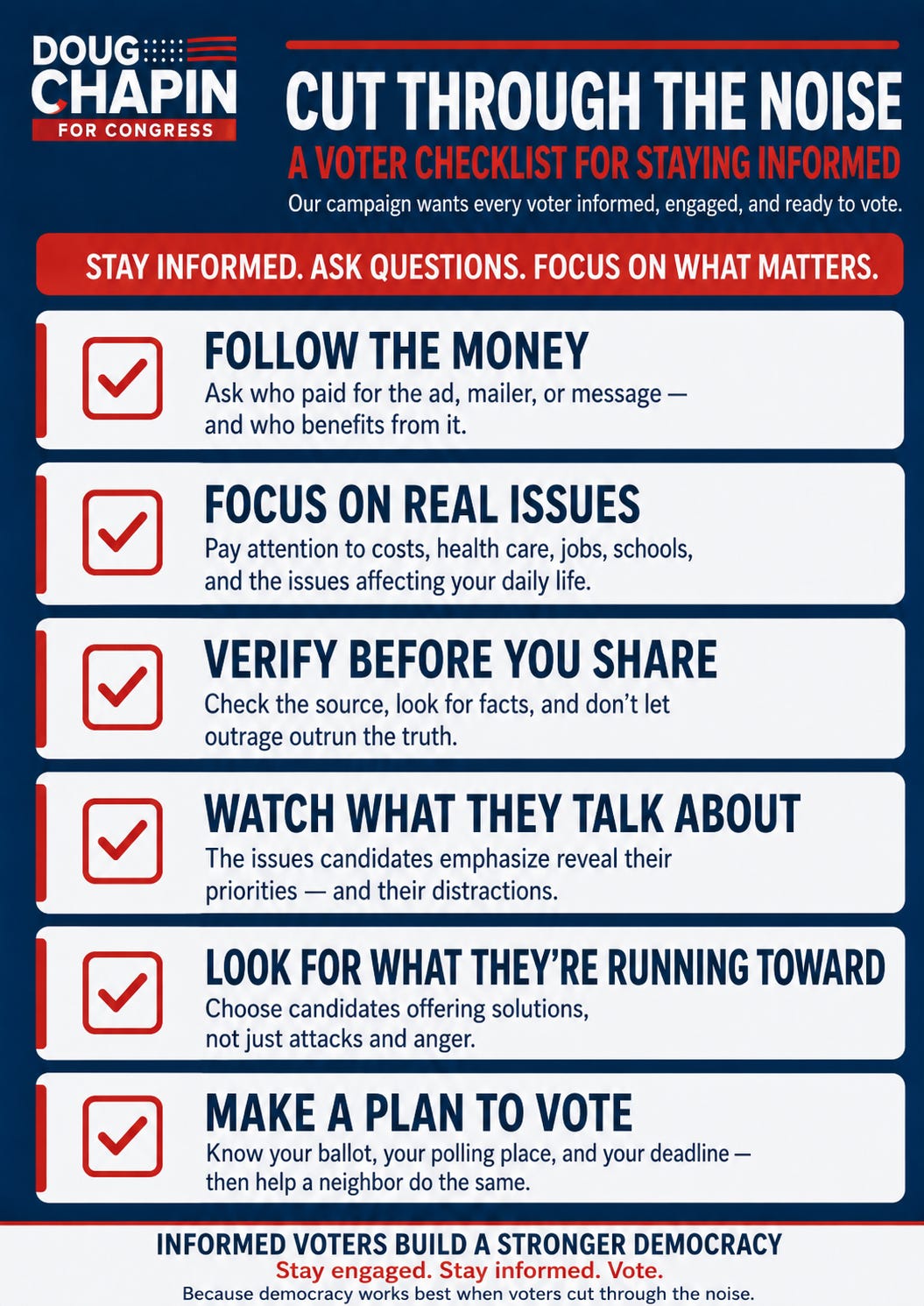
The central lesson of this week’s newsletter is to watch what political leaders choose to focus on, and whether the evidence supports what they are saying.
Two stories from this week demonstrate exactly why that matters.
Nearly $200 Million in Minnesota Medicaid Funding Deferred
The Trump administration announced Tuesday that it was deferring approximately $199 million in federal Medicaid payments to Minnesota while it reviews claims from 14 service areas it considers high risk.
Federal officials say the action is a temporary deferral rather than a permanent cut and that the money can be released if Minnesota provides additional documentation supporting the claims. (HHS.gov)
Minnesota officials, however, say the federal government has not provided sufficient data explaining how it calculated the $199 million figure, what specific evidence supports it, or whether this action overlaps with Medicaid funding already deferred earlier this year.
Fraud should be investigated.
Evidence of wrongdoing should be followed wherever it leads.
People who steal public money should be held accountable.
But allegations are not evidence, and withholding health care funding from an entire state should require more than a press conference and a suspicion.
Medicaid serves more than one million Minnesotans, including children, seniors, families, people with disabilities, and people living with serious health needs. For them, and for the providers trying to care for them, this is not an abstract political dispute.
If federal officials have evidence of fraud, they should produce it.
If the state needs to provide additional documentation, the federal government should clearly identify what is missing.
But Minnesotans should not be used as leverage in a political grudge match.
Medicaid patients need services.
Providers want to deliver them.
The administration needs to prove its case or release the funds.
Enough is enough.
We deserve better.
Threatening Election Officials Is Not Election Security
Election fraud returned to the national spotlight last week when Homeland Security Secretary Markwayne Mullin warned that people voting illegally would be hunted down and prosecuted. In complete disregard for the terror being cause by ICE all around the country.
He also threatened state election officials with fines, penalties, or imprisonment if they refused to comply with federal demands involving voter information and the administration’s expanded SAVE system.
As Doug put it:
“Voters and election officials aren’t threatening our nation. Violent trigger-happy thugs in masks are.”
Illegal voting is already illegal.
Prosecute it when there is evidence.
Secure voter information.
Protect election workers.
Maintain accurate voter rolls.
But do not use the power of the federal government to frighten state officials, revive debunked election narratives, or create the impression that American elections are hopelessly corrupted without producing evidence to support that claim.
That is not election security.
It is election-season noise and voters should recognize it for what it is.
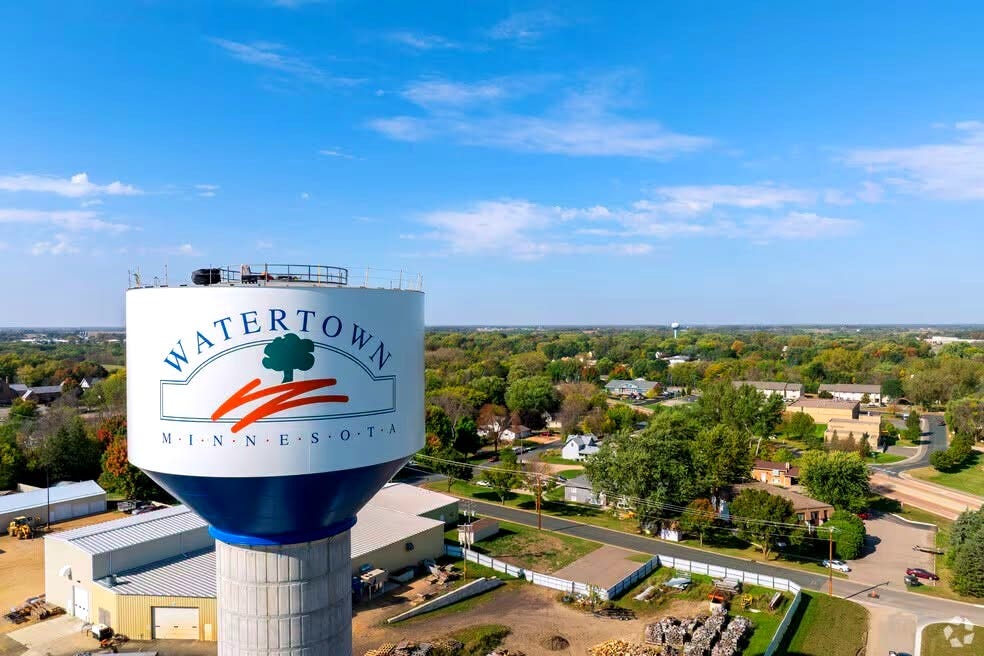
Around the SixthWater Tower Wednesday: Watertown, MN
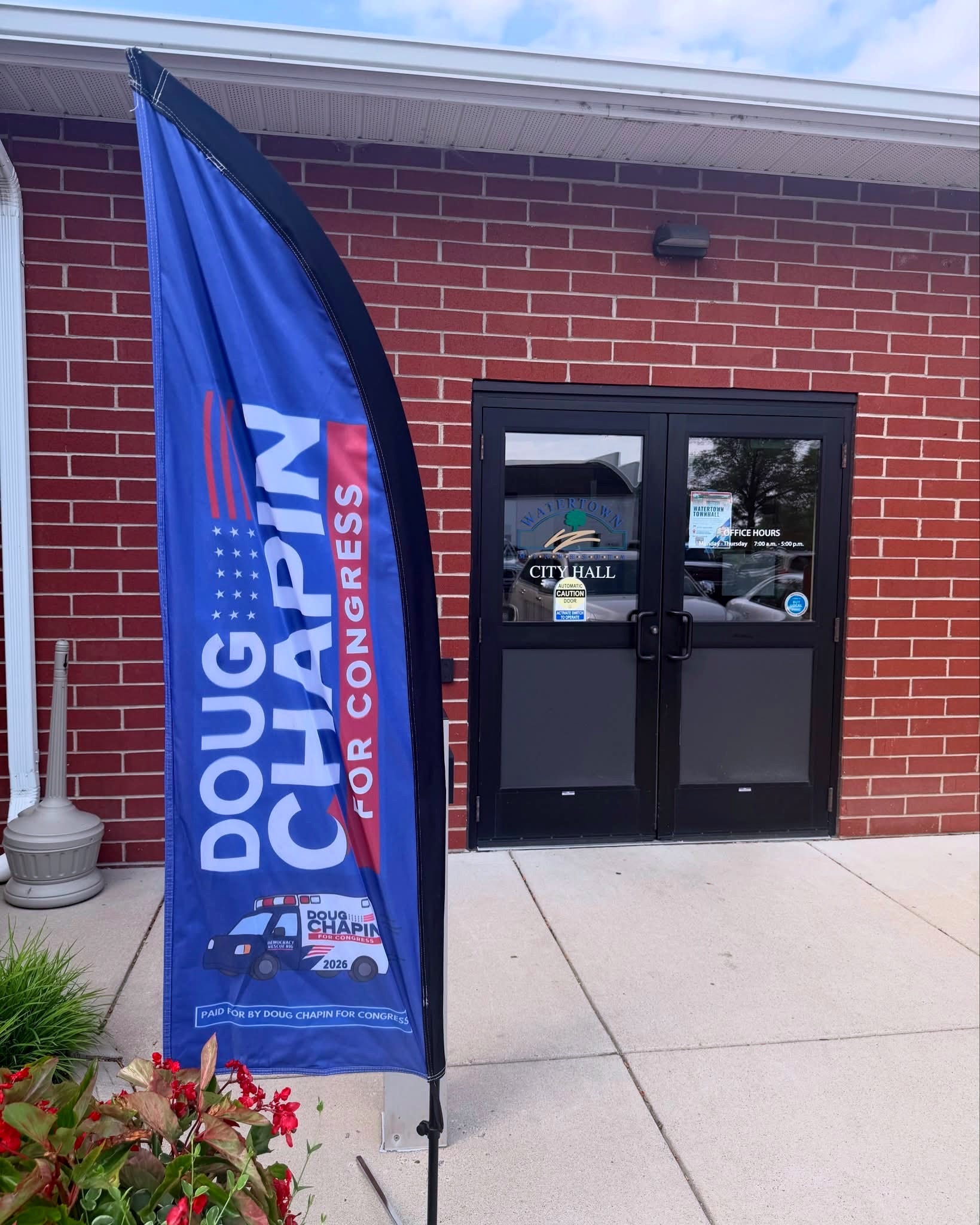
Back by popular demand, Doug’s Water Tower Wednesday returned this week with a stop in Watertown.
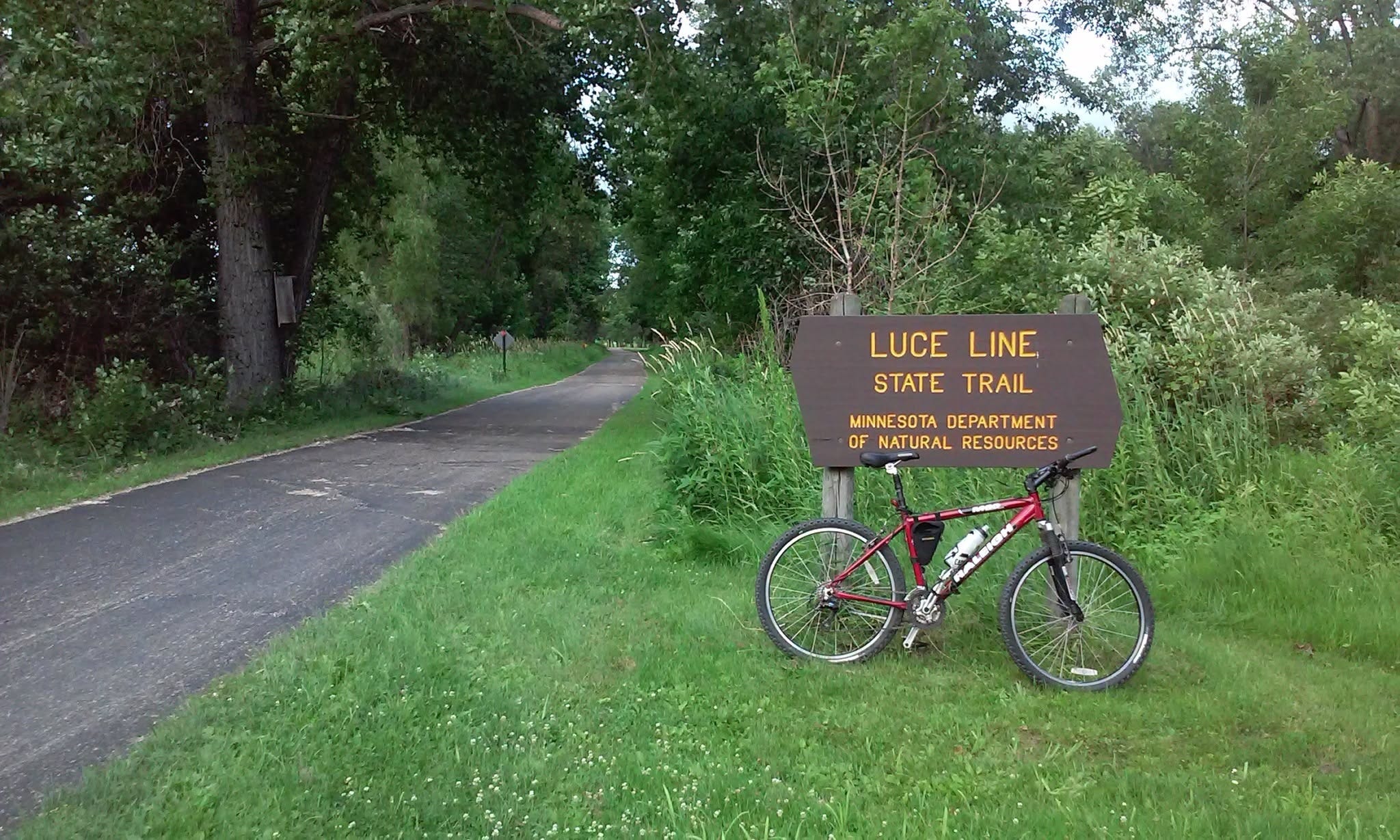
Nestled along the Crow River and connected to the Luce Line State Trail, Watertown is one of those communities that reminds you why small-town Minnesota is so special. The Luce Line follows a former railroad grade and has become a popular route for biking, hiking, horseback riding, and other outdoor recreation across the region.
Whether you are enjoying the riverfront, exploring one of the city’s parks, or riding the trail into town, you will find neighbors who take real pride in their community.
While downtown, Doug recommends stopping at local favorites like Farmer’s Plate Hometown Cafe (where the coffee is free on Tuesdays), Luce Line Lodge, or Hearthside Books.
And on a summer evening, there are few things more Minnesotan than watching the Watertown Red Devils play amateur baseball at Highland Park.
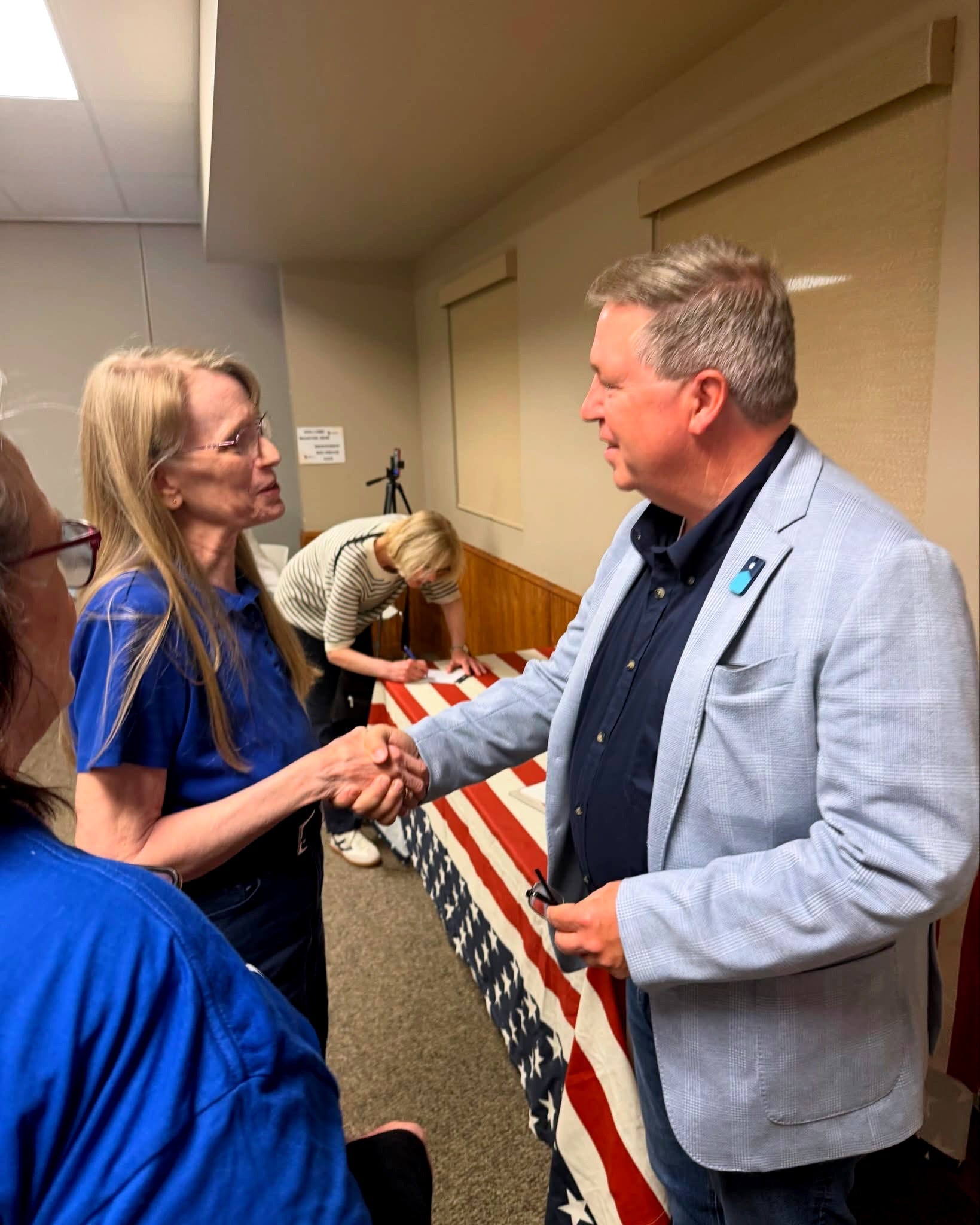
Doug was in Watertown this week for a town hall and will be returning Saturday for the Rails to Trails Parade.
The purpose of this campaign is not simply to appear in communities when an election is approaching. It is to listen, learn what makes each community distinctive, and understand what the people who live there need from their representative.
Watertown has plenty to be proud of, and we were grateful for the warm welcome.
Parades and Community Events
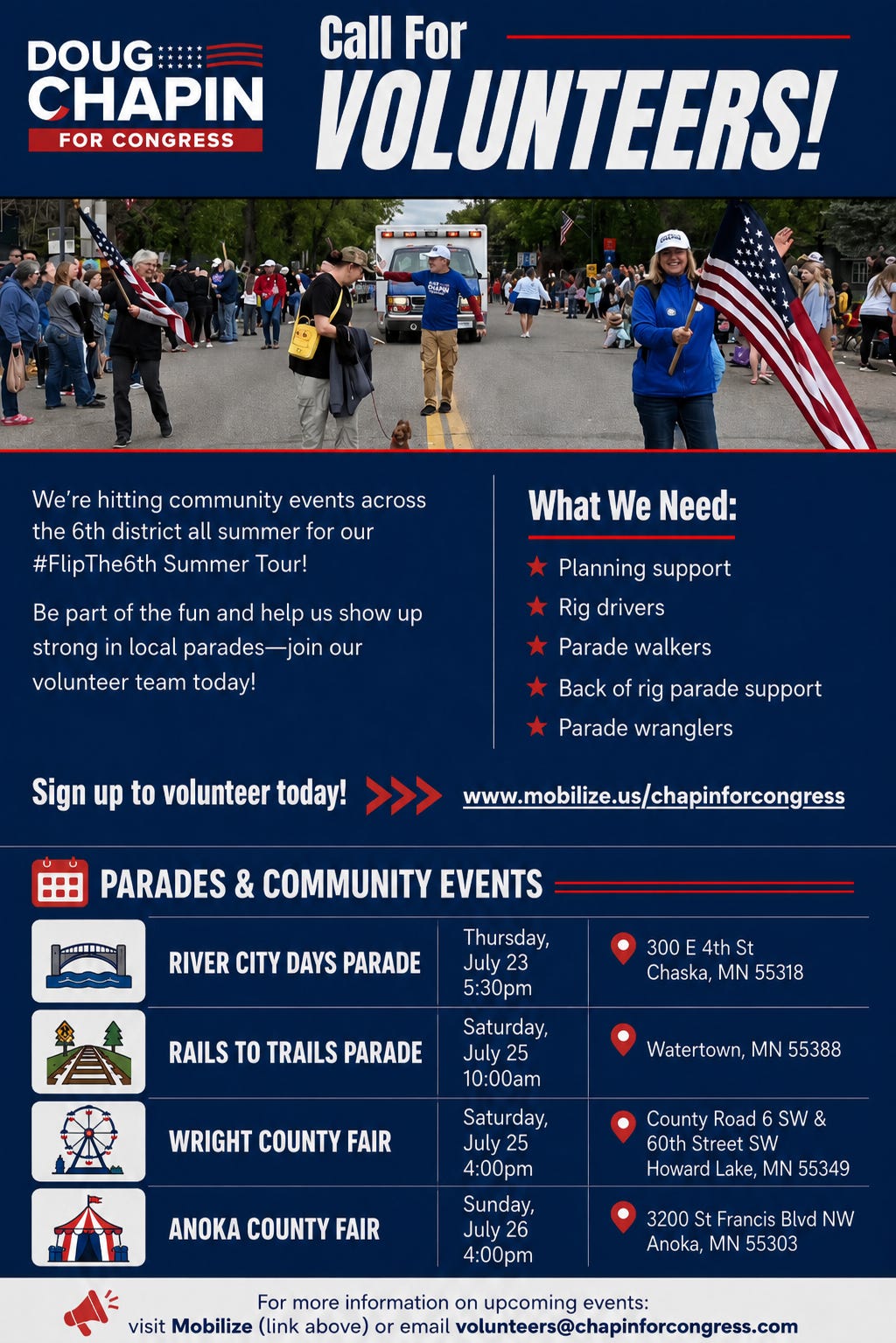
Team Chapin is heading across the district this week, from downtown parade routes to county fairgrounds, and there are plenty of ways to be part of it.
Join Doug and the Democracy Rescue Rig in Chaska and Watertown, where volunteers will walk the parade route, carry signs and flags, hand out treats, help behind the rig, and bring the energy that makes these events so much fun.
You can also stop by the DFL booths at the Wright County Fair and Anoka County Fair to meet Doug, ask questions, pick up campaign information, and learn more about getting involved. Doug will be at the Wright County Fair Saturday evening and at the Anoka County Fair on Sunday from 2:00–5:00 PM.
Whether you can walk a parade, help support the rig, or simply stop by and say hello, showing up helps us build stronger connections in every corner of the Sixth District.
The best answer to expensive political noise is a real conversation with another person.
District Door Knocks
Join us in Delano, East Bethel, New Germany, Columbus, Mayer, Albertville, Andover, Buffalo, or another community near you.
No prior door-knocking experience is required. Bring a charged phone, water, comfortable walking shoes, and a willingness to listen.
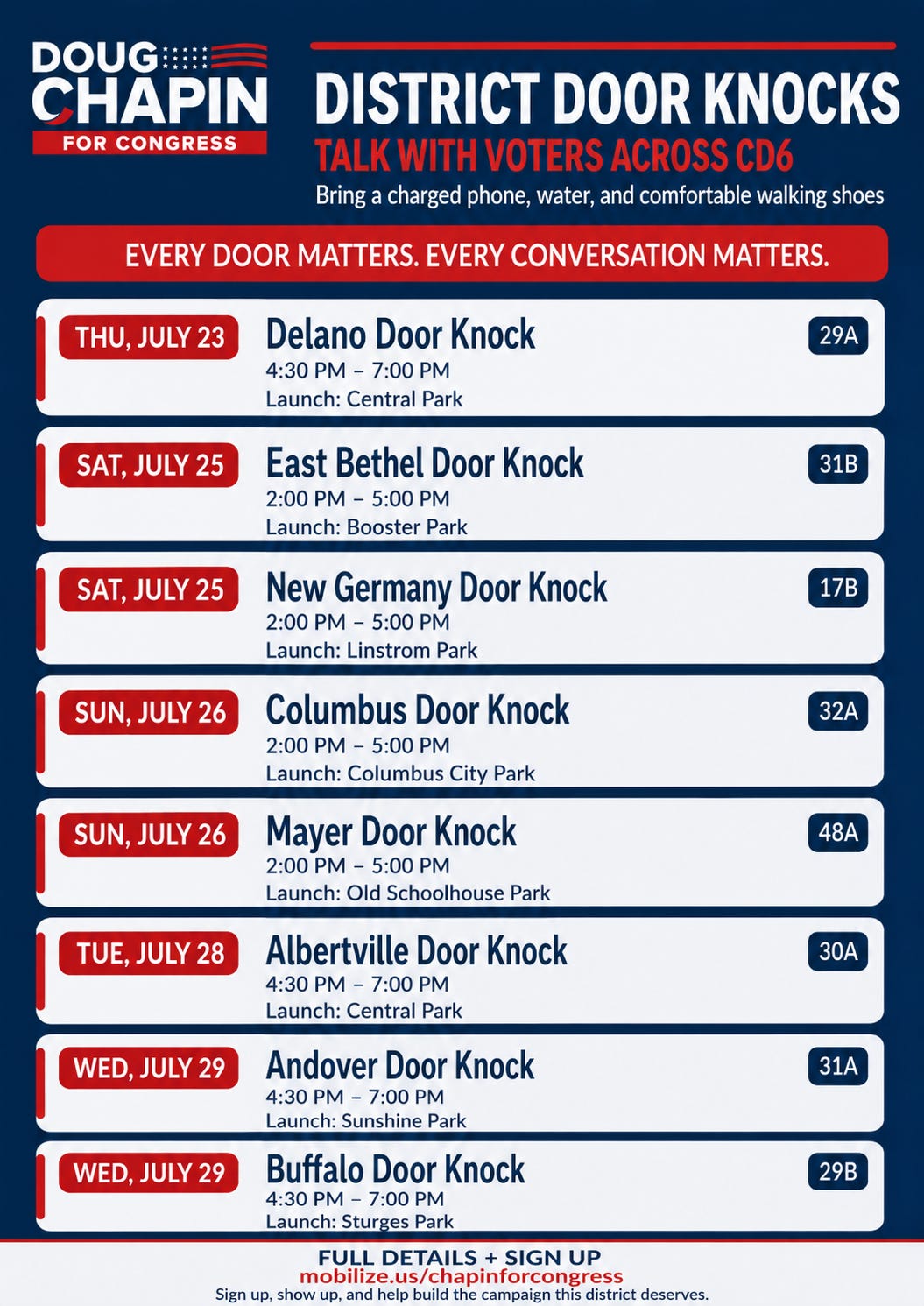
Full details and registration are available through the Doug Chapin for Congress Mobilize site.
Hold On to the SignalThe noise will grow louder between now and November.
There will be more advertisements, more accusations, more breaking-news banners.
More people insisting that you must be terrified, furious, or suspicious of your neighbors.
Do not disengage, do not surrender your attention.
Use it deliberately.
Follow the money.
Read the disclaimer.
Check the source.
Demand the evidence.
Compare the message to the realities of your own life.
Watch what candidates consistently discuss, and what they hope you will forget.
Most importantly, ask what they are running toward.
Are they offering a serious plan for lowering costs, strengthening communities, protecting health care, supporting working families, and restoring responsible representation?
Or are they offering another enemy?
This campaign believes informed voters make our democracy stronger.
We are not asking anyone to stop asking questions.
We are asking everyone to ask better ones.
Keep listening.
Keep learning.
Keep talking with your neighbors.
And when the noise becomes overwhelming, remember that the loudest voice is not necessarily the most honest, and the most expensive message is not necessarily the one that deserves your attention.
Together, we can remain focused on what matters.
Together, we can build something better.
And together, we can flip the Sixth.
103 days until Election Day.
Are you ready for better?
#Flipthe6th #LFG #ReadyForBetter
Thanks for reading! Be sure to subscribe to stay informed on what Doug Chapin for Congress is up to and how you can get involved!